





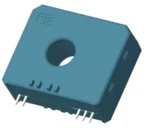
Temperature And Humidity Sensor

A temperature and humidity sensor is a device used to detect the ambient temperature and humidity levels. It is widely applied in various fields such as industrial automation, agriculture, HVAC (heating, ventilation, and air conditioning), and home automation. These sensors help monitor environmental conditions in real-time, enabling precise control.
How It Works
Temperature and humidity sensors typically consist of two components: a temperature sensor and a humidity sensor. The temperature sensor measures temperature through changes in resistance, thermocouple effects, or semiconductor sensing elements. The humidity sensor detects the moisture content in the air, often based on changes in capacitance, optics, or resistance.
Types of Temperature and Humidity Sensors
Digital Temperature and Humidity Sensors: These output digital signals, making them easy to connect to digital devices like microcontrollers. They offer high accuracy and stability.
Analog Temperature and Humidity Sensors: These sensors output analog signals, providing real-time detection. However, they may require conversion circuits to be compatible with digital systems.
Wireless Temperature and Humidity Sensors: Using wireless technologies such as Wi-Fi, Bluetooth, or LoRa, these sensors transmit data without cables, making them ideal for remote monitoring or areas that are difficult to wire.
Applications
Industrial Sector: Temperature and humidity sensors are widely used in manufacturing, especially in new energy battery production, where precise control of temperature and humidity can improve product quality and production efficiency.
Agriculture: They monitor environmental conditions in greenhouses and crop fields, ensuring optimal conditions for plant growth.
Smart Homes: These sensors monitor indoor conditions, providing data to devices like air conditioners and humidifiers to optimize indoor comfort.
Choosing the Right Sensor
Accuracy and Stability: Select a sensor with suitable accuracy and long-term stability for your application.
Response Speed: Different applications have different response time requirements; for instance, industrial automation often demands fast response times.
Communication Method: Ensure the sensor’s output signal matches the communication interface of your system.
By selecting and configuring temperature and humidity sensors appropriately, you can enhance the efficiency of monitoring and control systems, leading to energy savings and improved performance.

