





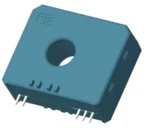
Force Sensor
Keli Sensing: Your Professional Force Sensor Manufacturer!
Ningbo Keli Sensing Technology Co., Ltd. ("Keli Sensing") was established in 1995, located in the Investment and Venture Park of Jiangbei District, Ningbo City. KELI sensing is one of the major leaders in the research and development, promotion, and application of the Internet of Things in global weighing industries. KELI sensing is also one of China's important weighing component manufacturing and sales companies and one of the pioneers of the industrial Internet of Things industry.
Our Advantages
Professional Product Development
While providing professional IoT software customization services, Keli Sensing has built a "weighing equipment data center", an IoT experimental center, and 26 laboratories.
Skilled Team
The company currently has more than 2,400 employees, including more than 900 employees at the Ningbo headquarters, forming a team of skilled technical personnel with strong R&D capabilities.
Strict Production Standards
Keli organizes the production of load cells and electronic weighing instruments in strict accordance with OIML international recommendations R60 and R76. Our products have obtained OIML certificates, NTEP certificates, GOST certificates, CE certificates, etc.
Strong Industry Influence
Currently, Keli Group owns 229 patents and 192 computer software copyrights. At the same time, Keli serves as the main unit in drafting relevant industry standards, group standards, etc.

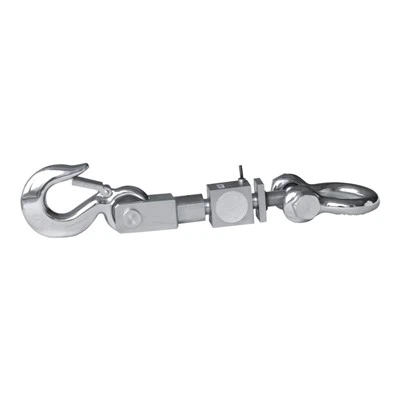

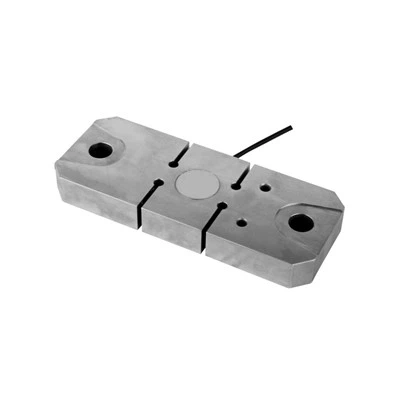

Introduction to Force Sensor
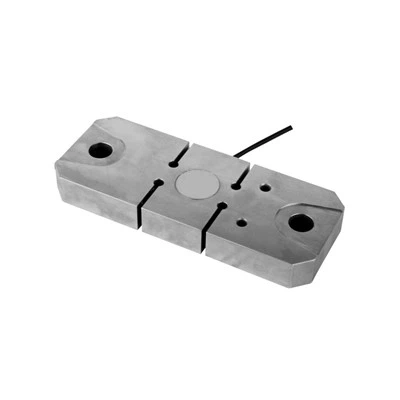
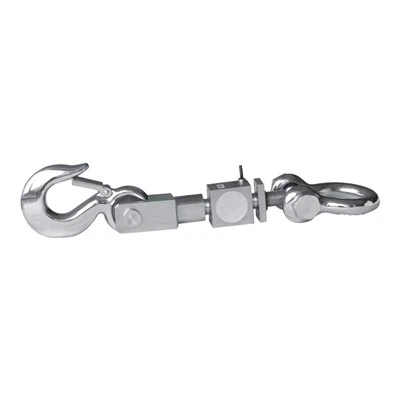
A force sensor is another term used for a load cell or weight sensor. They are used to measure compression, force, strain and load. Many have internal strain gauges bonded to the metal structure which react to even the smallest compression causing a change in resistance and giving feedback on these results.

Load Cells
Load cells (sometimes spelled as loadcells) are a type of force sensor/force transducer that converts an applied force into an output signal that can be used to measure forces such as compressive forces, most commonly weight. Load cells can use different technologies to produce an output and so different types of load cells are available, including:
● Pneumatic load cells
● Hydraulic load cells
● Piezoelectric crystal load cells
● Inductive load cells
● Capacitive load cells
● Magnetostrictive load cells
● Strain gage load cells
Strain Gages
Strain gages (also spelled as strain gauges) are a type of sensor element whose electrical resistance varies as a result of an applied force. Stress is the term used to describe the internal resistance force that an object will exhibit to the external application of force, while a strain is the measure of the amount of deformation and displacement that the object will experience as a result of the applied external force. The typical strain gage consists of an insulating substrate onto which a conductive metallic foil pattern has been deposited in a zig-zag pattern. When the strain gage is subjected to a force, the device will either compress or elongate depending on the direction of the applied force. The elongation or compression of the strain gage distorts the metallic foil pattern on the substrate, which changes its electrical resistance. The change in electrical resistance can be used to measure the applied force to the strain gage. An electrical bridge network known as a Wheatstone bridge circuit is typically used to convert the change in resistance of the strain gage to a voltage measurement.
Force Sensing Resistors (FSRs)
Force Sensing Resistors (FSRs), also known as printed force sensors or force-sensitive resistors, are a type of piezoresistive sensing technology that consists of a semi-conductive material or ink which is sandwiched between two substrates that are separated by a spacer. When a force is applied to the device, a conductive film is deformed and pressed against a conductive ink printed on the substrate. As more of the conductive film comes in contact with the printed conductive layer, the resistance of the device decreases. With zero force applied, the sensor exhibits a very high resistance (on the order of Meg-ohms). The resistance drops inversely proportional to the applied force. Since conductance is the inverse of resistance, the FSRs exhibit a linear increase in conductance with increased force.
Force sensing resistors can be used in several types of force sensing use cases:
● To detect the rate of change of an applied force
● To detect a relative change in the applied force
● To detect contact or touch
● To detect that a force has exceeded a set threshold
FSRs can be configured for point source detection or used in an array design for detecting force distribution applied over an area (pressure). The advantages of FSRs are that they are thin and flexible, are available in a variety of styles & sizes, are durable, have lower power consumption, and are low in cost. The primary disadvantage lies in their precision and repeatability, where repeated measurements may vary by 10% or more.
Other Types of Force Sensors
Two additional force sensor types are optical force sensors and ultrasonic force sensors. Optical force sensors typically employ a fiber optic cable into which has been inscribed a Fiber Bragg Grating (FBG) at specific intervals along the length of the cable. When the cable is subjected to stress or strain, the separation distance of the grating changes. By monitoring the reflections from light as it is passed through the cable, the degree of deformation (elongation or compression) can be established and used to determine the force applied. Ultrasonic force sensors emit high-frequency sound waves from an ultrasonic transducer and sense any changes to received pulses as a result of external forces to determine their presence.
Advantages of Force Sensor
Accuracy
Force sensors provide high levels of accuracy and repeatability in measuring forces. They are also insensitive to temperature changes, resulting in accurate measurements under various conditions.
Non-contact Measurement
Force sensors can measure force without any physical contact between the sensor and the object being sensed. This ensures that there is no damage or wear on the object being sensed.
Flexibility
Force sensors can be designed to sense forces in multiple directions, making them suitable for complex applications.
Portability
Force sensors are small and compact, making them easy to integrate into various systems and devices.
Application of Force Sensor


Scales
One of the most common uses for force sensors is scales. There are many different types of scales; counting scales, bench scales, hopper scales, platform scales, truck scales, belt scales – the list goes on. Force sensors are used to give reliable results when weighing various matter.
On-Board Weighing
Onboard weighing is involved in weighing the contents of a heavy goods or industrial vehicle whilst they are “onboard” the vehicle. This ensures the vehicles carry loads of maximum capacity, not too little which causes inefficiency, and not over capacity which would be unsafe.
Commercial Applications
Some applications using force sensors you may have come into contact with; the scales at the self-service check out at a supermarket will include a force sensor to weigh the scanned shopping. Scales to weigh luggage at the airport is another force sensor application you may have come across.
Medical Applications
Force sensors are used within the medical industry. They are used for fluid monitoring applications, dialysis machines, endoscopic surgery, physical therapy equipment, orthopaedics, and MRI devices. Force sensors for medical applications will require medical approvals.
Aerospace Applications
Force sensors are used within aerospace for applications including; force feedback, flap detection, autopilot functions, and within the flight data recorder.
The general working principle of Force Sensors is that they respond to the applied force and convert the value into a measurable quantity. There are various types of Force Sensors available in the market based on various sensing elements. Most of the Force Sensors are designed using Force-Sensing Resistors. These sensors consist of a sensing film and electrodes.
The working principle of a Force-sensing resistor is based on the property of ‘Contact Resistance’. Force-sensing resistors contain a conductive polymer film that changes its resistance in a predictable manner when force is applied to its surface. This film consists of, sub-micrometres sized, electrically conducting, and non-conducting particles arranged in a matrix. When force is applied to the surface of this film, the microsized particle touches the sensor electrodes, changing the resistance of the film. The amount of change caused by the resistance values gives the measure of the amount of force applied.
In order to improve the performance of force-sensitive resistors, a variety of different methods are being used. For example, in order to minimize polymer drift, various electrode configurations are being tested through the use of new materials (such as carbon nanotubes) to replace polymers, test with sensors, etc.
Factors Affecting Force Sensor Performance
Sensitivity and Linearity
A force sensor’s sensitivity level allows it to detect and respond to changes in force accurately. As a result, it’s crucial to ensure that a sensor has an appropriate sensitivity range suitable for its application. If the force sensor is under-sensitive, it means that it will not detect smaller forces accurately or fail to register them at all. Alternatively, if a force sensor is too sensitive, it will detects even the slightest forces and exaggerate their effect on the output signal. This can lead to issues such as loss of precision, noise sensitivity, saturation, calibration challenges and more.
Linearity, on the other hand, refers to how well the sensor’s output correlates with the input force. For example, robotic arms often have force sensors to detect the force exerted by the arm on the objects it interacts with. A force sensor integrated into the robot’s end-effector (the part that interacts with objects) allows the robot to sense the force it applies and adjust its movements accordingly. The linearity of the force sensor ensures that the robot can accurately regulate the force and perform precise assembly tasks. Hence, if the non-linearities occur it can result in errors that need to be carefully compensated to achieve precise measurements.
Hysteresis and Repeatability
Hysteresis is a phenomenon where the force sensor exhibits different responses to increasing and decreasing force values. This leads to discrepancies in the measured data. Imagine a load cell that measures the weight of an object. When no force is applied (zero load), the load cell should ideally give an output of zero. Now, as you gradually increase the force applied to the load cell, the output signal should linearly increase as well. However, during the unloading phase, when you start decreasing the force, the output might not return exactly to the zero point. There could be some residual output even when there is no load on the load cell. Repeatability, on the other hand, gauges how consistently the sensor produces the same output when subjected to identical force inputs. This also minimising hysteresis and enhances the accuracy and reliability of force measurements.
Temperature Effects
Temperature fluctuations can also significantly impact force sensor performance. Thermal expansion of materials and variations in electrical properties with temperature can introduce errors. Manufacturers often provide temperature compensation techniques to minimize these effects. Understanding the temperature specifications and ensuring suitable environmental conditions can help maintain optimal performance.
Overload and Overload Recovery
Force sensors operate within specific force limits, and exceeding these limits can lead to permanent damage or calibration issues. Overload protection mechanisms are crucial to prevent damage to a sensor. Additionally, the time required for the sensor to recover its performance after an overload event should be considered in high-frequency applications.
Crosstalk and Interference
In multi-axis force sensing applications force sensors measure forces along multiple directions simultaneously. During these measurements, crosstalk can occur. This is where forces applied to one axis affects the measurements of other axes. This phenomenon introduces inaccuracies and needs consideration during the calibration and data interpretation. Interference from external sources, such as electromagnetic fields or vibrations, can also impact sensor performance. Shielding and appropriate signal filtering can help mitigate these influences.
Noise and Signal-to-Noise Ratio (SNR)
Noise in force sensor readings can arise from various sources, such as electronic components, environmental disturbances, or mechanical vibrations. A low Signal-to-Noise Ratio (SNR) can hinder the accuracy of measurements, especially in low-force applications. Employing noise reduction techniques and selecting sensors with higher SNR can improve performance.
Calibration and Aging
Calibration is essential for force sensor accuracy, and periodic recalibration may be necessary to maintain reliable measurements. Additionally, force sensors can experience performance changes over time due to aging effects, affecting their sensitivity, linearity, and other characteristics. Understanding the sensor’s aging behavior is crucial to establish appropriate maintenance schedules.
Mechanical Considerations
Proper mounting and installation of force sensors are critical for ensuring accurate measurements. Incorrect loading or misalignment can lead to force distribution issues and adversely affect sensor performance. Adhering to the manufacturer’s installation guidelines is essential to mitigate these concerns.
Things to Consider Before Choosing a Force Sensor
Cost
The cost of the sensor to be applied is always a very important factor in sensor selection. Depending on the area of application, a sensor may be too expensive and thus limit the profitability of the project.
Repeatability
It is crucial to think about whether the variable being sensed can be reliably measured in the same setting. Repeatability measures a sensor's consistency against itself to see if it consistently produces the same result under the same conditions. Although this value is frequently linked to accuracy, a sensor may be inaccurate while still being able to produce repeat observations.
Accuracy and Precision Accuracy
This is a frequently crucial requirement that a product must achieve. Although accuracy and precision are sometimes used interchangeably in the marketing of sensors, they mean two different things. When selecting which specification is more important, it is critical to comprehend how the two differ from one another.
Environment
The choice of the force sensor is based on the environment in which the device will be utilized. Its exposure to a wide range of circumstances is a cause for concern. The severe environments the device is exposed to could affect how accurately the sensor reads whether it is used in an industrial, agricultural, medical, or automotive sector. It's important to take note of the temperature and humidity levels. Depending on how they were built, force sensors' outputs can be severely impacted by temperature changes, however, there are also robust force sensors that help solve this issue. In the end, all that matters is having a sensing solution that will function precisely in any scenario in which it might be employed.
Durability
The durability of a sensor should be taken into account when selecting one. Considerations to make include: How robust is the sensor? Does it have a long lifespan before it needs to be replaced? Will it hold up in hostile environments? Every sensor has a limited lifespan that is frequently defined by how long it will operate or be stored. The design, material, manufacturing method, concentration levels are seen, and surrounding environmental conditions are some of the elements that could affect a sensor's longevity. To guarantee that sensors are cost-effective, appropriate for their intended use, and to lessen the possibility of drift—which occurs when a sensor is exposed to circumstances that impair its accuracy—durability is vital.
Response Time
It is important to select a force sensor with suitable response times. If the forces being applied are quick and successive, one must employ a force sensor with faster response times whereas if the force is to be steady and slow, a slowly responding force sensor can be suitable.
Sensitivity
This subject truly drives home the significance of thoroughly understanding one's project's requirements before selecting one of the force sensors on the market. Open load sensors are among the most accurate force sensors now on the market and can be constructed for a wide range of applications.
Form Factor
Whichever force-sensing technology one chooses for their application will be heavily influenced by the size and shape of their product.
Our Factory
In May 2017, the Ningbo Industrial Internet of Things Industrial Characteristic Park was officially settled in Keli, introducing more than 260 enterprises in eight vertical industrial chain platforms, including sensors, modules, materials, intelligent equipment, software, applications, services, and integration. At the same time, the park has won the pilot demonstration project of the national manufacturing "innovation and entrepreneurship" platform and the state-level maker space.

Ultimate FAQ Guide to Force Sensor
Q: What is the purpose of a load cell?
Q: Do load cells need a power supply?
Q: What is a Force Sensor?
Q: Is the force sensor the same as the pressure sensor?
Q: How to replace the force sensor?
As the rated load increases, the microvolt/division signal output by the force sensor decreases, instead of increasing the output signal as the rated load increases. This is often overlooked. Therefore, when replacing the sensor, the sensor with the same load as the original one should be used as much as possible. If you want to replace a larger load, you must pay attention to whether the scale of the weighing instrument of the electronic scale is adjustable: if it is an old-style display instrument that is not adjustable, it will become unusable due to the replacement of the sensor with a greater load, which results that the output microvolt/division signal becomes smaller, the full-scale output and display cannot be performed, and the dial adjustment cannot achieve the purpose.
If it is a force sensor with an adjustable range, you can set the range and debug after replacing it with a sensor with a larger load according to the manual. At the same time, it should be noted that if the rated load of the sensor is too large and the output microvolt/division signal is too small, this will easily reduce the sensitivity of the scale.
For the electromechanical combined scale with the S-shaped sensor installed in the second force transmission link, it should be noted that the link length after reinstalling the sensor is the same as the original link length. On the other hand, it is necessary to ensure that the first force transmission lever is horizontal and that the link rod and the first force transmission lever form a 90-degree angle perpendicular to it. If there is a deviation, it will directly affect the accuracy and sensitivity of the scale. If the link length is too long, the phenomenon of "large scale" will appear; if the length of the link is too short, the phenomenon of "small scale" will appear. At this time, it should also be noted that the link must be in a free-hanging state, and cannot rub against other objects, so as not to affect the sensitivity of the scale.
Q: How does a force sensor work?
Q: What are the applications of force sensor in robotics?
Q: What is the most accurate force sensor?
Q: How do capacitive force sensors work?
Q: What is the difference between a load cell and a force sensor?
Q: How many types of force sensors are there?
Q: How do you measure force without a load cell?
Q: What is the difference between a force sensor and a strain sensor?
Q: What does a force sensor read?
Q: How accurate is a force sensor?
Q: How do you zero a force sensor?
Q: Can Force Sensor be used for testing and research?
Q: Does the Force Sensor need to be calibrated?
Q: What is the future potential of Force Sensor?
Robotics
Force sensors have great potential in robotics applications. They can be used to control the grip strength of robotic hands, ensure safe interactions with humans, and perform tasks that require fine motor skills.
Automotive
Automotive manufacturers are exploring the use of force sensors to monitor the performance of engines and transmissions. Force sensors can help detect issues early and optimize performance, resulting in safer and more fuel-efficient vehicles.
Biotechnology
In biotechnology, force sensors are being used to study cell mechanics and protein interactions. They help researchers understand how cells respond to external forces and provide insights into the function of proteins.
Smart Homes and Buildings
Force sensors can contribute to smart homes and buildings by monitoring structural health and detecting vibrations or settlement. They can also be used for energy efficiency by adjusting building systems based on occupancy and temperature gradients.
Q: What is actually the difference between a force transducer and a load cell?
The load cell measures mass, and only ever in one direction, because the mass is always greater than 0. If a container is placed on a load cell, this cannot suddenly lift itself up and produce a negative weight. The force transducer, on the other hand, measures negative and positive forces, tensile and compressive forces.
The load cell is produced then installed somewhere or other at the user's plant, then calibrated on site. Force transducers are calibrated at the factory immediately following production, and must always measure the same, even if removed and installed several times. The force transducer therefore has a more robust construction than most load cells, in order to guarantee the reproducibility of the measured values under varying conditions.
The load cell must satisfy certain legal requirements, regarding legal-for-trade capability, for instance. The force transducer fulfills different regulations and standards.